Miami Condo Due Diligence: A Buyer's Complete Checklist
Published January 28, 2026 · Updated January 28, 2026 · 3 min read
Why Condo Due Diligence Matters More Than Ever
Buying a condominium in Miami has always required careful investigation. Since the Surfside collapse and the passage of Florida's SB 4-D, that due diligence has become not just important — it is financially critical. Buildings that appeared healthy on the surface have revealed massive underfunding, structural deficiencies, and compliance gaps that translate directly into owner costs.
This guide walks you through the complete due diligence process for Miami-Dade condo buyers, from initial assessment through closing.
Step 1: Start with an Automated Risk Assessment
Before spending weeks researching manually, obtain an automated condo risk assessment. Tools like CondoScan analyze government records and HOA documents in minutes, producing a 100-point risk score across four categories: Financial Health, SIRS Compliance, Age and Coastal Proximity, and Recertification and Violations.
This baseline score tells you whether the property warrants deeper investigation or should be eliminated from your search entirely. A score above 60 should trigger serious caution.
Step 2: Dive Into HOA Financials
The HOA's financial health is the single strongest predictor of your future ownership costs. Request the following documents from the association or the seller's agent.
Annual Budget: Examine what percentage of the budget goes to reserve fund contributions. Industry best practice is 30-40% of the annual budget. Associations contributing less than 20% are likely underfunding.
Balance Sheet: Look at total reserves versus total identified maintenance needs. A reserve ratio below 50% indicates significant underfunding that may require special assessments within 2-3 years.
Special Assessment History: Any special assessments in the past 5 years indicate the association has underfunded or deferred maintenance. Multiple assessments suggest a systemic problem.
Step 3: Verify Regulatory Compliance
Florida's post-Surfside regulations create specific compliance checkpoints. Understanding your building's status prevents costly surprises.
SIRS Status: For buildings 30+ years old, confirm the Structural Integrity Reserve Study has been completed and submitted to the Florida DBPR. If not, understand the timeline and likely cost of compliance.
Milestone Inspections: Verify the building is current on any required milestone inspections. Overdue inspections can result in regulatory penalties and insurance complications.
Building Violations: Search the Miami-Dade County building department for any open violations or enforcement actions. Open violations signal unresolved safety concerns.
Step 4: Evaluate Insurance Situation
The South Florida condo insurance market has become volatile post-Surfside. Buildings with certain risk profiles — older structures, coastal locations, compliance gaps — face surcharges or even carrier withdrawals.
Request the current property insurance declaration page. Check for recent rate increases, coverage changes, or non-renewal notices. If the carrier has recently changed or rates have spiked, understand why before committing to purchase.
Step 5: Conduct Your Own Inspection
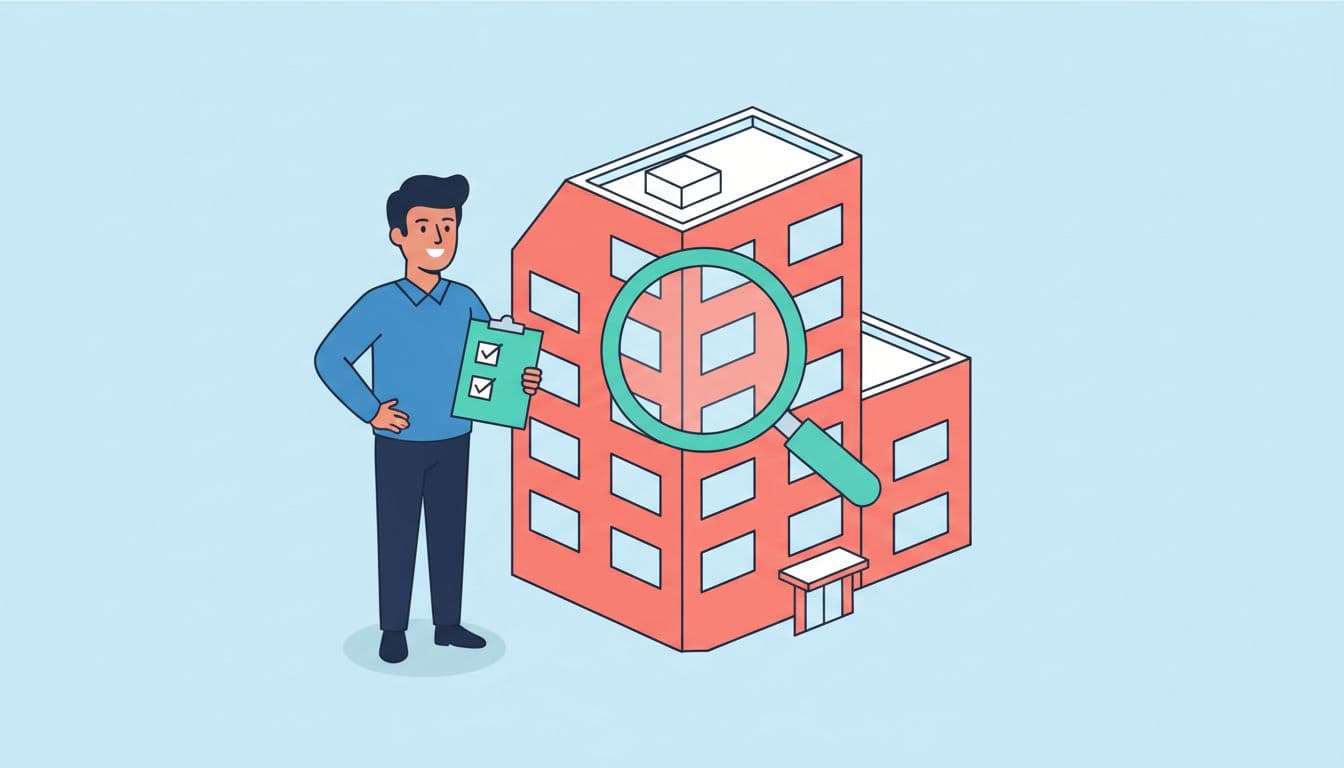
Automated assessments and document review catch data-driven risks. A personal inspection of your specific unit and the building's common areas catches physical-world issues that records may not reflect.
Hire a licensed inspector to examine your unit's windows, balcony, HVAC system, plumbing connections, and any visible structural elements. Walk the building's exteriors looking for staining, cracking, or deterioration. Review any engineering reports provided by the HOA.
Making Your Decision
Armed with your risk assessment score, financial documents, compliance verification, insurance review, and physical inspection results, you have a comprehensive picture of true ownership costs and risks.
The goal is not to find a perfect building — few exist. The goal is to understand exactly what you are buying, price it accurately, and avoid surprises that could erode your investment. Thorough due diligence is the difference between a smart condo purchase and an expensive lesson.